 Explo
Practical
Your first international trip: what to know before you go
A calm, practical guide for first-time international travellers: passport, entry rules, money, phone, packing and the small things that go wrong.

The first trip abroad is exciting and a bit overwhelming. You are not alone in not knowing where to begin, and most of the worry comes from not knowing what you do not know. A short, ordered list takes care of nearly all of it.
Step 1: the passport
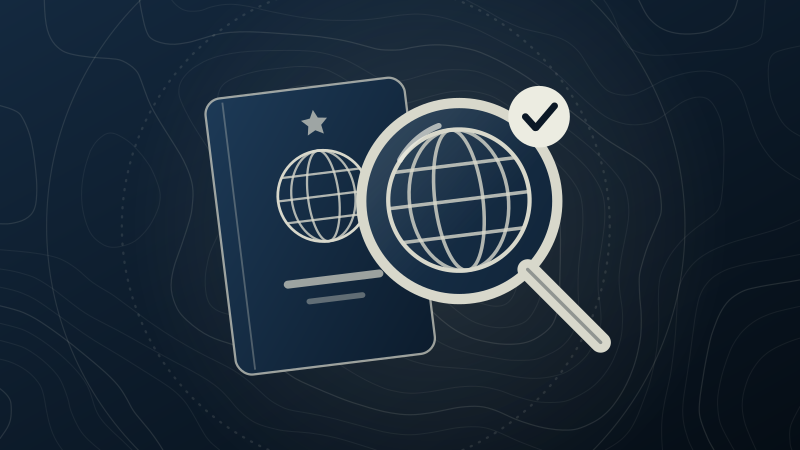
If you do not have a passport, apply first. Processing times vary, and you cannot book most international tickets without one, because the name must match. If you do have one, check the expiry date. Many countries want months of validity left, as we explain in the six-month passport rule.
Step 2: entry rules
Different nationalities face different rules for the same country. Check whether you need a visa, an electronic authorisation or nothing at all. Do this before you pay for flights and hotels. Our guide on how to check visa requirements before you book shows how, and visa-free, visa on arrival, e-visa and eTA explained explains the terms.
Step 3: choose a gentle first destination
For a first trip, simple wins. Good choices share a few traits:
- A short flight, so jet lag is small or absent.
- Easy entry for your passport.
- Good public transport and plenty of English or another language you speak.
- A moderate government advice level.
You can go further and wilder on the second trip.
Step 4: money
- Tell your bank you are travelling if they ask, and check the fees for card payments and cash withdrawals abroad.
- Carry two cards, kept in different places, and a small amount of local cash for the first day.
- When a machine offers to charge you in your own currency, it is usually cheaper to choose the local one.
- Know the tipping customs, which differ a lot.
Step 5: phone and connection
Check how roaming works on your plan, or buy a local or electronic SIM for the trip. Download offline maps for the city, and the translation language you might need. Save your booking details and addresses offline too, so a flat battery or no signal is not a crisis. Take the right adapter: our guide to travel plug types helps you pick one.
Step 6: health and insurance
Check whether your destination recommends vaccinations or has health requirements for entry. Bring any regular medicine in its original packaging, with a note from your doctor if it is a controlled drug. Buy travel insurance that covers medical care and cancellations, and read what to check before you buy.
Step 7: packing
Pack less than you think you need. A few items that make the biggest difference:
- Comfortable shoes you have already worn.
- Clothes that layer and dry quickly.
- A small bag for the day, that closes.
- Copies of your passport and bookings, kept apart from the originals.
Step 8: the journey itself
- Arrive at the airport early, with your documents in one easy place.
- Keep medicines and valuables in your cabin bag.
- On arrival, follow the signs to immigration and have your address for the first night ready, in case you are asked.
- Use official transport from the airport, and agree the price or use the meter.
Small things that go wrong
- A phone that will not charge, so carry a power bank.
- No local cash on arrival, so withdraw some at the airport.
- A hotel with no record of your booking, so keep the confirmation.
- Misjudging distances, so check on the map before you walk.
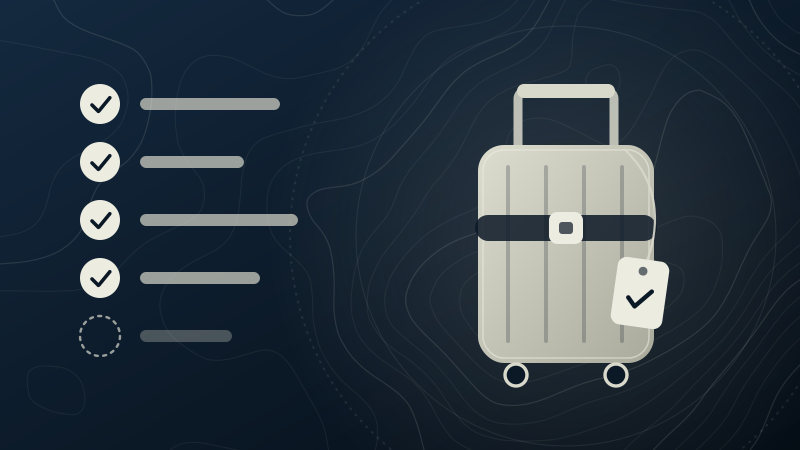
All of these are minor and fixable. The pre-trip checklist covers the rest.
In Explo
Once you are home, mark your first country as visited and watch the map begin. Explo shows the entry rule for your passport, the weather and holidays for a place before you go, so it can help with the planning too. Everyone's first dot on the map is a small milestone worth keeping.